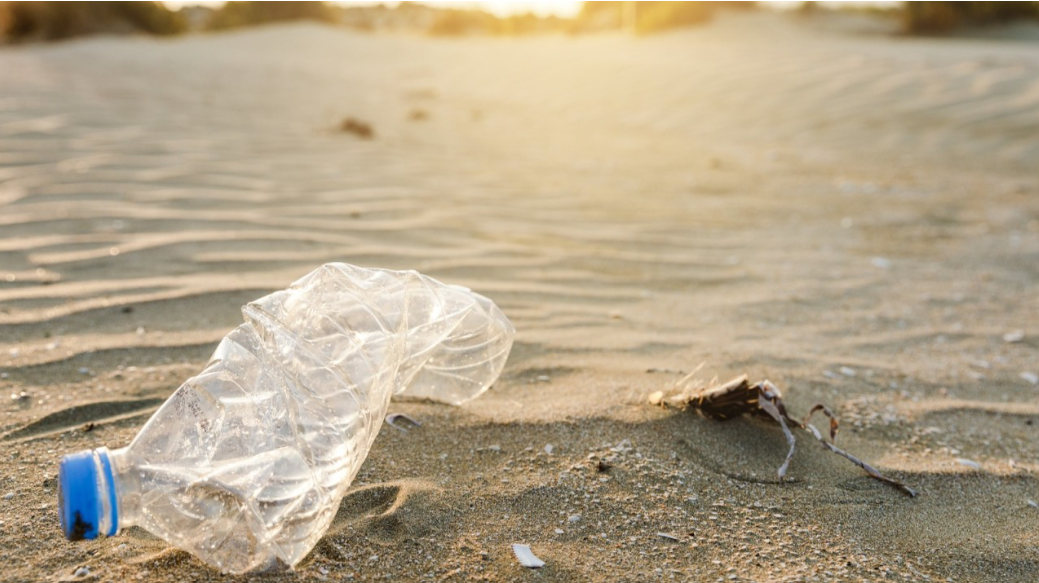
What is Extended Producer Responsibility (EPR)?
Extended Producer Responsibility, or EPR, is a policy approach that makes producers, importers, and brand owners (PIBOs) responsible for the entire lifecycle of their products and packaging. Traditionally, waste management was left to consumers and local authorities. EPR shifts this responsibility upstream, ensuring that those who manufacture or introduce packaging materials into the market take on the responsibility for their collection, recycling, and disposal.Under the draft rules, EPR applies to packaging materials such as paper, glass, metal, and sanitary products. This ensures that all packaging types are accounted for, promoting sustainable practices across industries.
Key Features of the Draft Rules
The draft Environment Protection (Extended Producer Responsibility for Packaging) Rules, 2024 aims to create a structured framework to tackle packaging waste. Some of the key highlights include:1. Comprehensive Accountability
PIBOs will be responsible for managing their packaging waste across its entire lifecycle. This includes:- Production: Encouraging the use of recyclable or biodegradable materials.
- Recycling: Setting up or collaborating with recycling facilities.
- Disposal: Ensuring that non-recyclable waste is safely disposed of.
2. Defined Timelines
The draft rules, notified on December 6, 2024, are set to come into force from April 1, 2026. This two-year window provides businesses with the opportunity to adapt their operations and supply chains to meet the new standards. The phased implementation ensures a smooth transition without disrupting existing processes.3. Collection and Recycling Targets
To foster accountability, the rules mandate specific targets for waste collection and recycling. These targets will:- Encourage the use of recycled materials: Reducing the demand for virgin resources.
- Foster a culture of accountability: Ensuring that PIBOs actively participate in waste management.
- Drive innovation: Motivating businesses to develop efficient recycling technologies.
4. Incentives for Sustainable Practices
Businesses adopting eco-friendly packaging designs, biodegradable materials, or innovative recycling technologies will be eligible for incentives. This reduces the environmental footprint and creates financial motivation for companies to invest in sustainability.Why Do These Rules Matter?
Packaging waste is one of the largest contributors to environmental degradation. India generates over 3.5 million Tonnes of plastic waste annually, with a significant portion coming from packaging materials. Improper disposal of these materials leads to severe environmental challenges, including soil and water contamination and harm to marine life.The draft rules are critical because they:
- Promote Resource Efficiency: By encouraging recycling and reuse, the rules reduce the demand for virgin resources like petroleum (used in plastic production).
- Reduce Environmental Impact: Proper management of packaging waste prevents pollution, protects ecosystems, and mitigates climate change.
- Support Economic Growth: A robust recycling industry can create jobs, foster innovation, and attract investment in green technologies.
Who Will Be Affected?
The draft rules have far-reaching implications across industries. Some of the key stakeholders include:1. Consumer Goods Companies
Brands in the fast-moving consumer goods (FMCG) sector are among the largest contributors to packaging waste. These companies will need to redesign their packaging to meet recycling standards and collaborate with waste management entities to ensure compliance.2. Retailers and E-Commerce Platforms
Online retailers, known for their extensive use of packaging materials, will be required to adopt sustainable alternatives and ensure proper disposal mechanisms for their packaging waste.3. Packaging Manufacturers
Companies that produce packaging materials will need to innovate, creating biodegradable or recyclable options that align with the new regulations.4. Importers
Businesses importing goods into India will also need to ensure that their packaging materials meet the prescribed standards, making EPR a global responsibility.What Should Companies Do?
To prepare for the upcoming regulations, companies can take the following steps:1. Audit Current Practices
Conduct a comprehensive audit of packaging materials and waste management practices. Identify areas where changes are needed to align with the new rules.2. Invest in R&D
Allocate resources to research and develop sustainable packaging alternatives. Innovations in biodegradable plastics, paper-based materials, and reusable designs can help businesses stay ahead of the curve.3. Collaborate with Stakeholders
Work with recycling companies, waste management firms, and other industry players to establish efficient systems for collection and recycling.4. Train Teams
Educate employees and supply chain partners about the importance of EPR and the steps required for compliance. A well-informed workforce can drive change more effectively.5. Monitor and Report
Set up systems to monitor progress against collection and recycling targets. Regular reporting will ensure transparency and help build trust with stakeholders.Aligning with India’s Sustainability Goals
The draft EPR rules align with India’s broader environmental objectives, including:- Plastic Waste Management Rules: Complementing existing regulations to reduce plastic pollution.
- Swachh Bharat Mission: Supporting the vision of a clean and green India.
- Global Commitments: Contributing to the Sustainable Development Goals (SDGs), particularly Goal 12 (Responsible Consumption and Production) and Goal 13 (Climate Action).
The Road Ahead
India’s move towards comprehensive packaging waste management is both timely and necessary. By embracing EPR, businesses have the opportunity to lead by example, turning environmental responsibility into a competitive advantage.At KathaVista, we believe that every report tells a story, and the story of EPR is one of collaboration, innovation, and hope. As businesses adapt to these regulations, they have the chance to craft a narrative of sustainability that inspires stakeholders and builds a legacy for future generations.
Let’s craft stories that matter. Partner with KathaVista to turn your compliance journey into a compelling narrative. Together, we can transform reports into powerful tools for change.